 English ReNews
When AI Knows More Than We Do
AI is helping scientists with problems that have stumped them for years, but it can't always explain its answers. What happens when a result is right and nobody knows why?
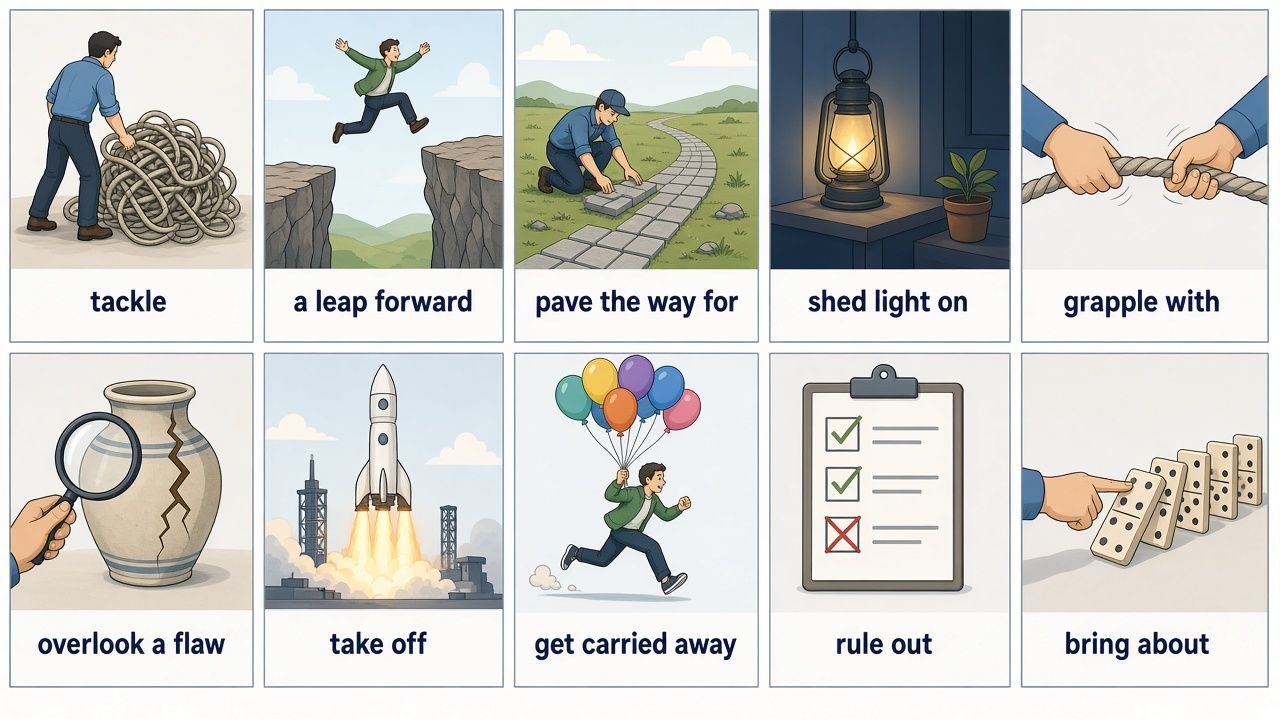
AI is rapidly changing the way scientists work. It can help doctors identify diseases, support the development of new medicines and tackle problems that have puzzled researchers for decades. For many, this is a leap forward in what humanity can achieve. Others are struggling to keep up with the pace of change.
AI could pave the way for discoveries that once seemed out of reach. It can shed light on complex scientific questions, revealing patterns that humans might otherwise miss. Yet there is a catch: scientists don't always understand how an AI system arrives at its conclusions. That forces them to grapple with an uncomfortable question: can we trust an answer if we cannot fully explain it?
The danger is that, in the excitement of a breakthrough, researchers might overlook a flaw or mistake a convincing result for a correct one. There is another concern, too. If scientists increasingly rely on similar AI tools, could they end up exploring the same ideas instead of asking different questions? Progress might accelerate, while scientific thinking becomes less diverse.
As AI tools take off, it is easy to get carried away by promises that machines will solve every problem. We should not rule out extraordinary advances, but neither should we assume that every new technology will live up to its promise. Used well, AI can bring about major improvements in healthcare and help us understand the world in ways we never imagined. The challenge is to move forward without sacrificing critical thinking or independent judgment.
Perhaps the real breakthrough will not be creating machines that know more than we do. It will be learning how to turn their discoveries into knowledge we genuinely understand. After all, finding an answer and understanding why it is right are not the same thing. And as AI continues to reshape science, that difference may matter more than ever.
Related reading: "AI Came for Math. Now It's Chasing the Rest of Science," WIRED, Oct. 14, 2026: https://www.wired.com/story/ai-is-coming-for-science-next-watch-out
Listen to the article
Tip: You can adjust the speed of the audio by clicking the 1.0x button.
Interesting words
These are the words that we think are interesting and worth learning.
to try to solve or make progress on a difficult problem or situation
a significant advancement or progress in a particular field or area
to make something easier or possible by doing or providing something beforehand
to provide new information or insights that help people understand a situation or problem better
to try to understand and solve a difficult problem
to intentionally ignore or fail to notice a fault or problem
to become popular or successful very quickly
to become so excited or enthusiastic about something that you do or say something that you might later regret
to eliminate or reject something as a possibility
to cause something to happen or exist
Like what you've read?
Begin learning journeyWords stick best when you meet them again — and again, at just the right moments. That's why the Learning Journey brings you back to what you read at increasing intervals, so what you learn today actually stays with you.
How the Learning Journey Works
Movie Connection
Right after reading
Fill in the Blanks
The next day
AI Chat Tasks
2 days later
Fill in the Blanks
2 weeks later
Fill in the Blanks
2 months later
Why create a free account?
Track your progress across every article you read
Get reminded exactly when it's time for your next review — spaced repetition, done for you
Get AI tutor feedback tailored to what you actually write
Create your own Custom Journey from any words you want to learn — with a story, audio and exercises
Completely free, forever — takes about 30 seconds to sign up